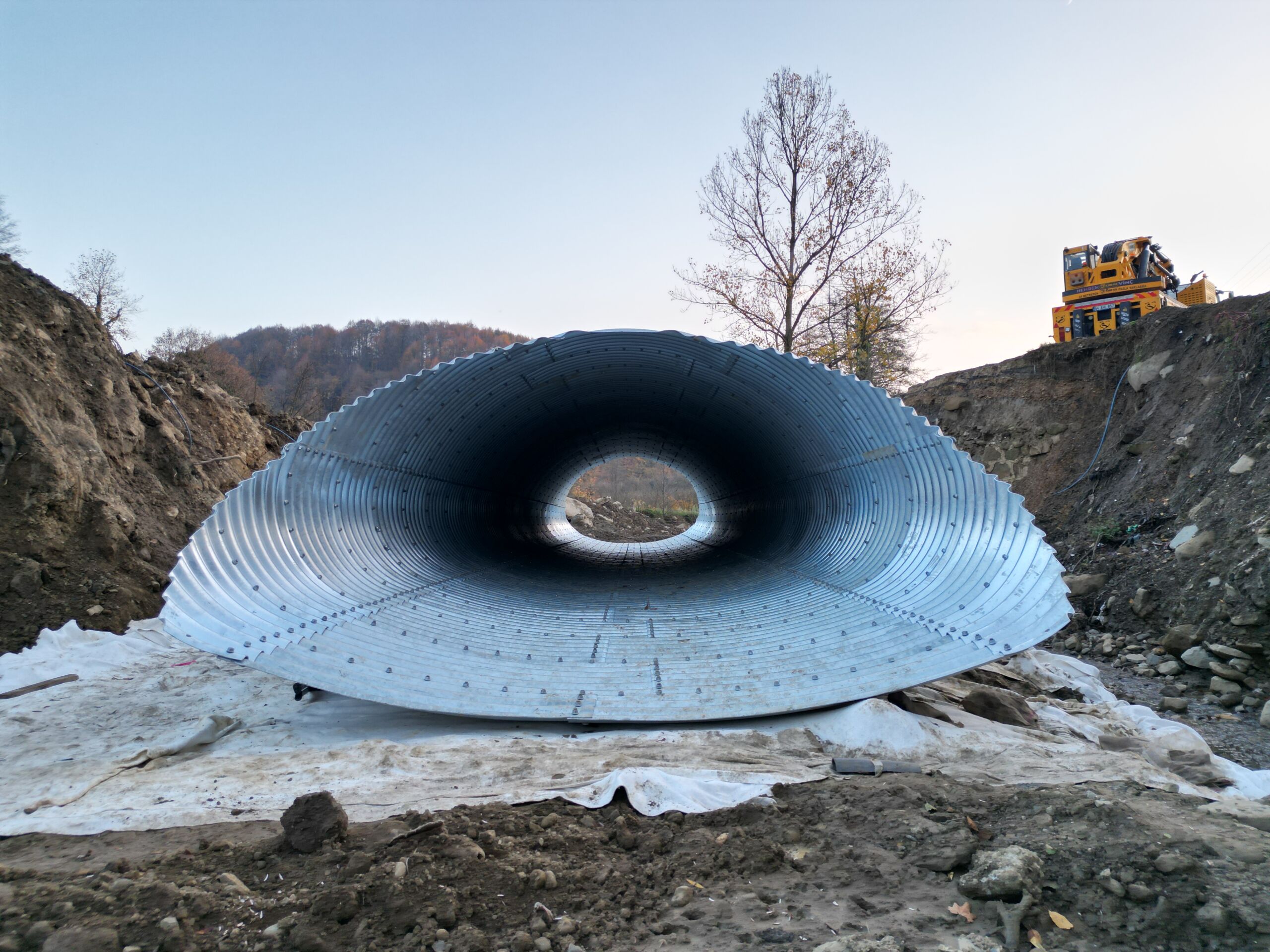
Managing the interaction between water, ground and infrastructure.
Hydraulic environments place specific demands on the structures and earthworks built within or alongside them. Geoquest supports marine, coastal, river and water management infrastructure with solutions adapted to changing water levels, hydraulic forces, erosion and the geotechnical conditions encountered at the interface between soil and water.


Infrastructure shaped by water
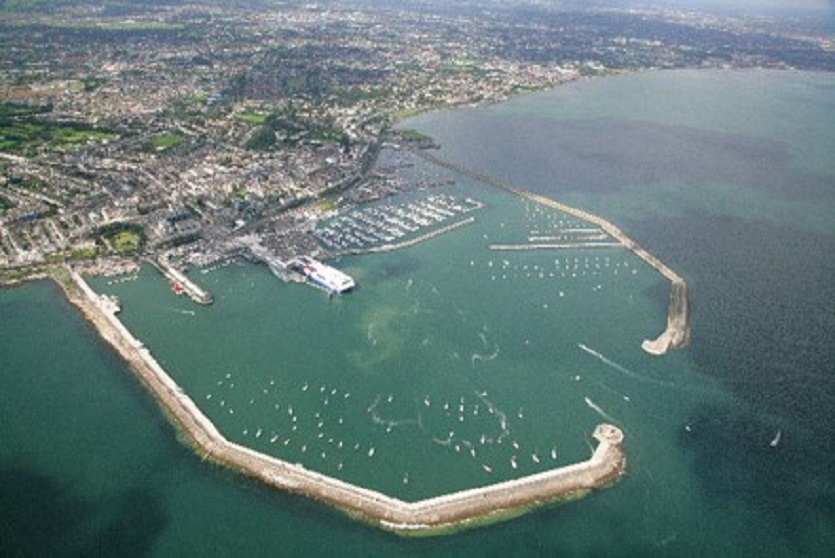
Water continually influences the ground and structures around it. Waves and currents can generate erosion and scour, rivers experience changing flows and flood events, while coastal and marine infrastructure must respond to tides, storms and long-term shoreline processes.
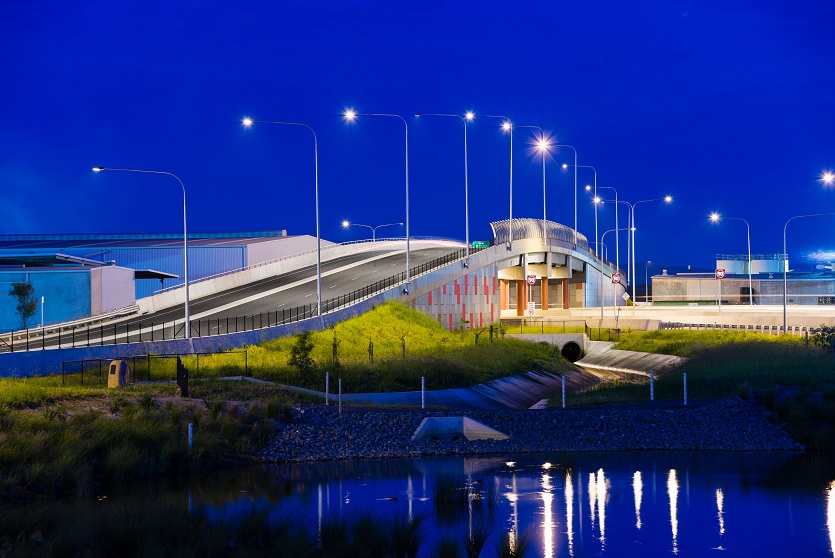
At the same time, water itself needs to be managed. Infrastructure is required to collect, store, convey and control water while maintaining the stability of surrounding earthworks and protecting developed areas.
These different environments require engineering approaches that account for hydraulic exposure together with ground behaviour, drainage, earth retention and erosion protection.
From working waterfronts to managed water resources


Engineering across the different behaviors of water
Marine exposure, coastal processes, river flows and managed water networks create very different engineering conditions, but all depend on understanding how water interacts with soil and structures.
Geoquest’s portfolio combines complementary solutions for earth retention, ground reinforcement, drainage, erosion control and hydraulic infrastructure, allowing the engineering approach to respond to the type and intensity of water exposure encountered on each project.
From protecting a shoreline or riverbank to developing a port or controlling water within dedicated infrastructure, these capabilities provide different ways to manage the interface between hydraulic conditions and the built environment.