Creating accessible and well-integrated infrastructure for essential community facilities
Schools, hospitals and other public or private facilities need supporting infrastructure that connects buildings with their surroundings while making effective use of the available site. Geoquest provides solutions for access, ground preparation, changes in elevation and protection around these essential facilities.


Sites designed around people, access and everyday use
Functional facilities bring together buildings, pedestrian areas, vehicle access, utilities and landscaped spaces within sites used every day by large numbers of people.
Their development may involve significant differences in elevation, difficult ground or limited available space, particularly when new facilities are introduced into established urban areas. Circulation also needs careful consideration, with pedestrian routes, roads, parking areas and connections to public transport often converging around the same site.
The surrounding infrastructure must therefore support the operation of the facility while remaining compatible with accessibility, safety and the quality of the environment experienced by its users.
Integrating facilities into their surroundings
Geoquest solutions can help organize the terrain and connections around functional facilities, from preparing construction areas to creating access and managing the interface between buildings, infrastructure and landscape.
- Making complex sites accessible
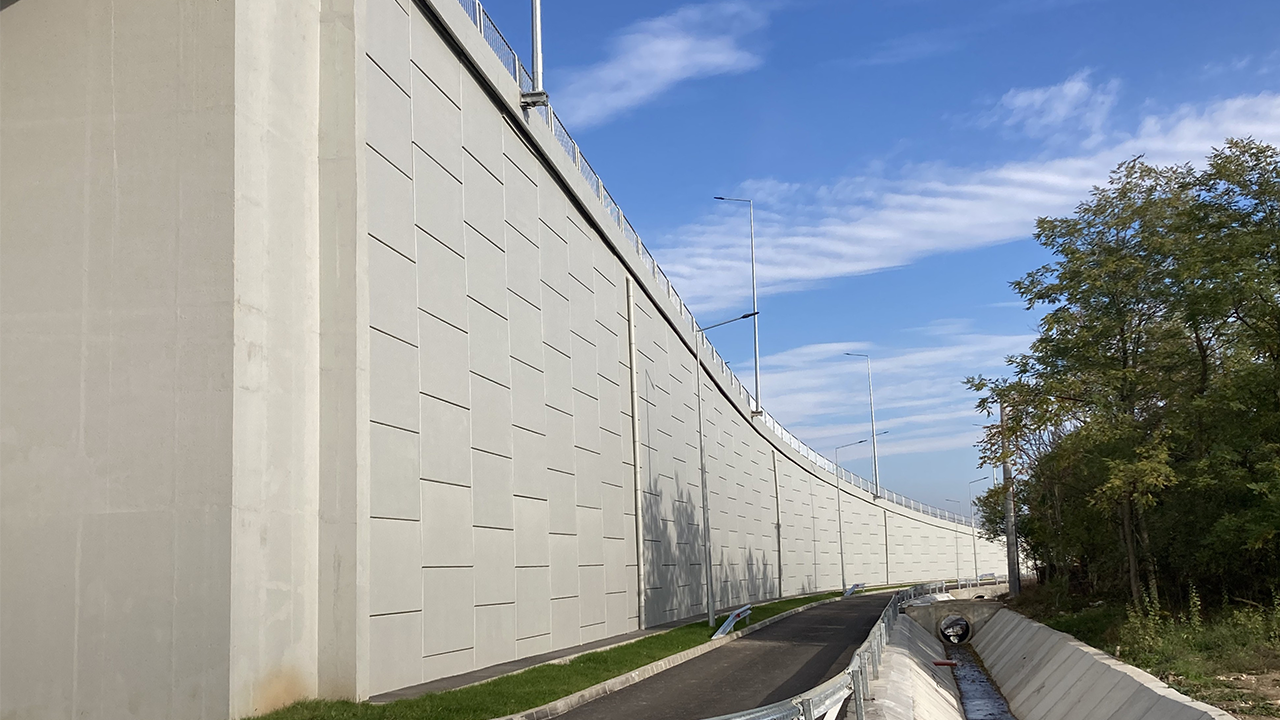
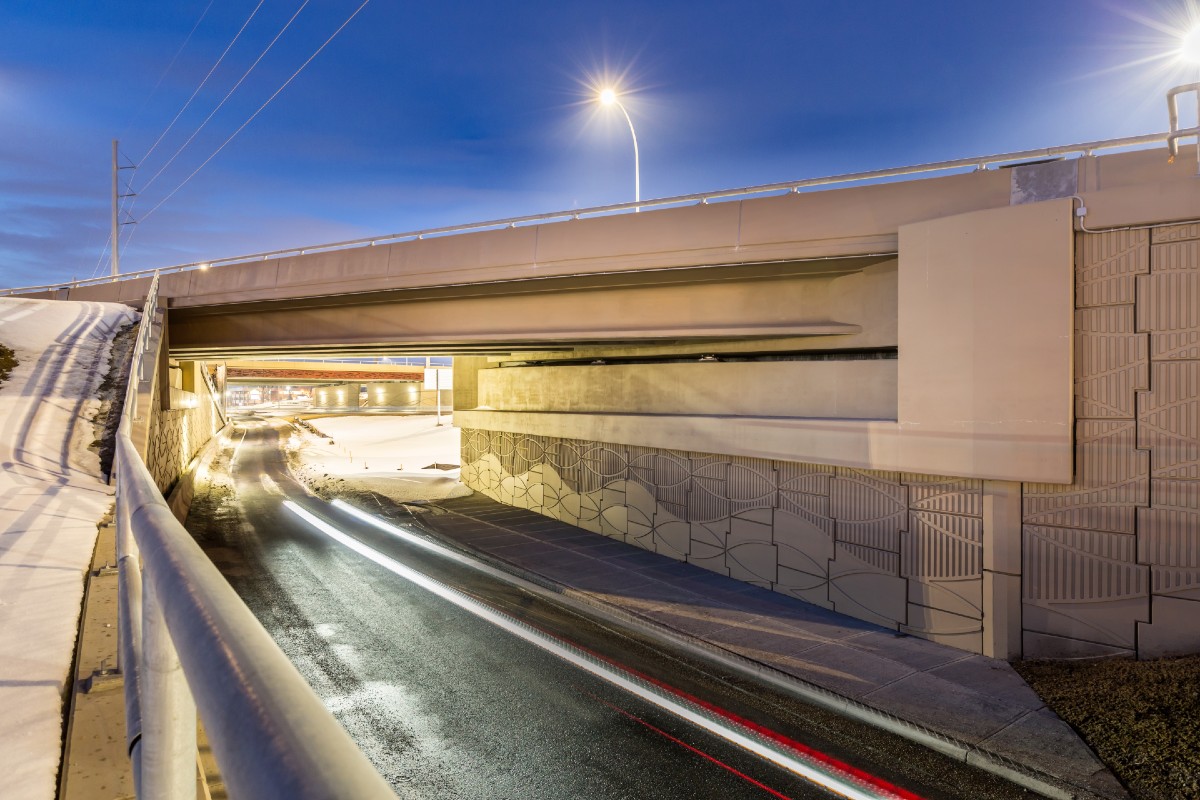
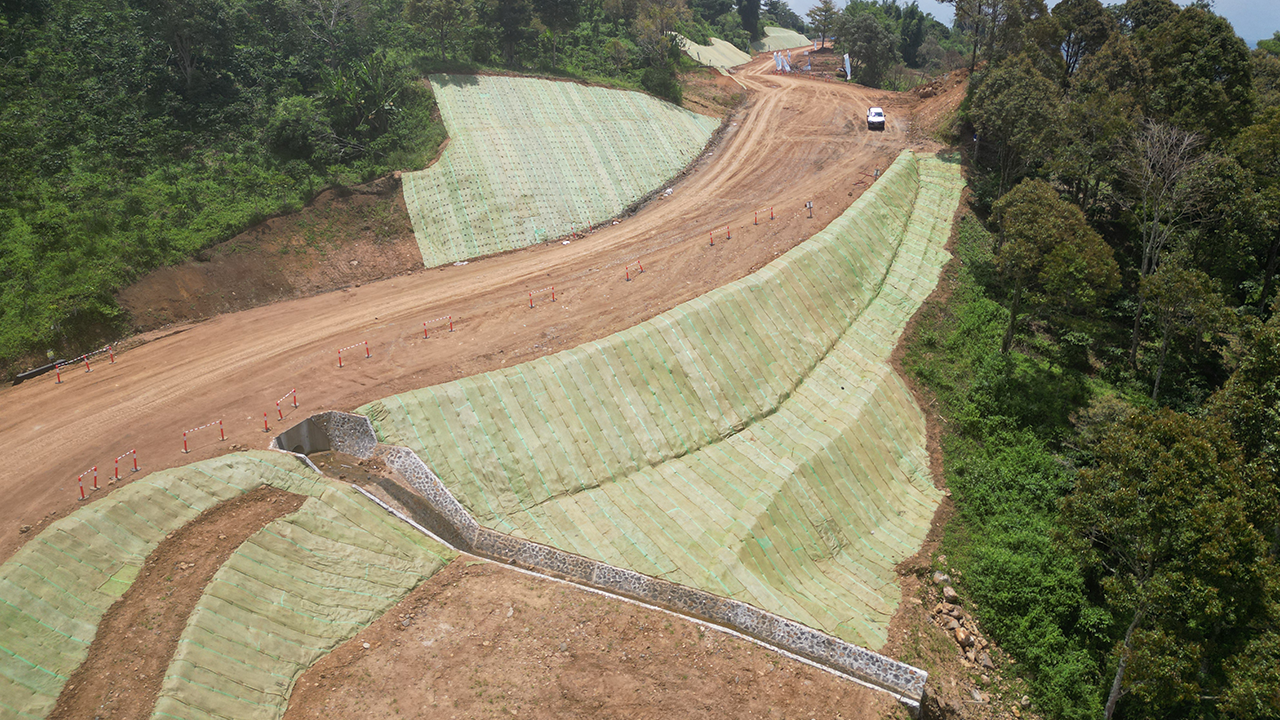
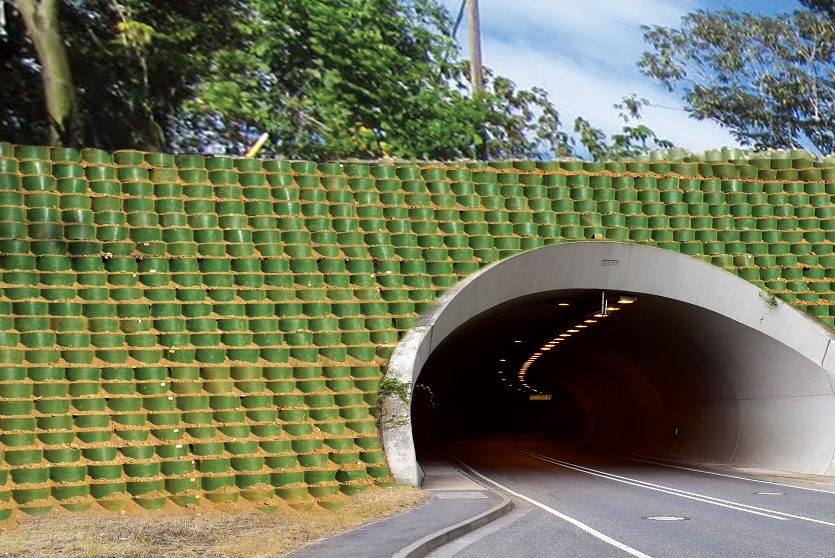
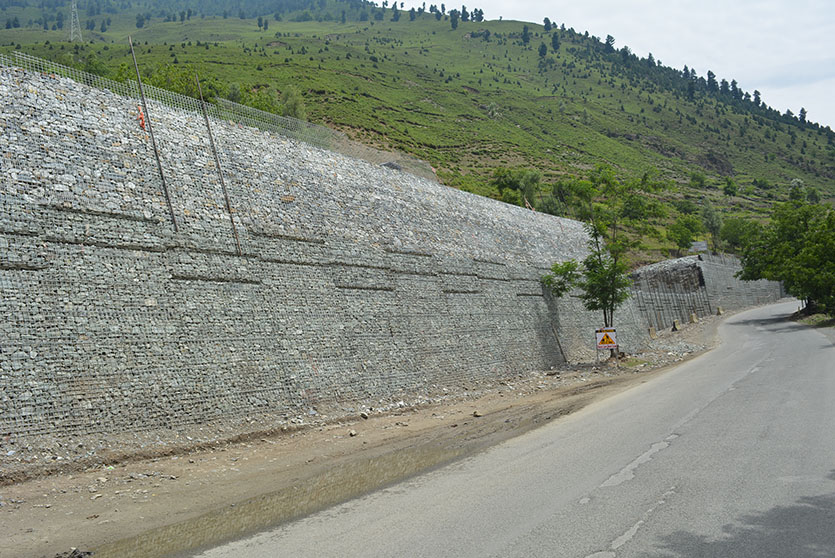
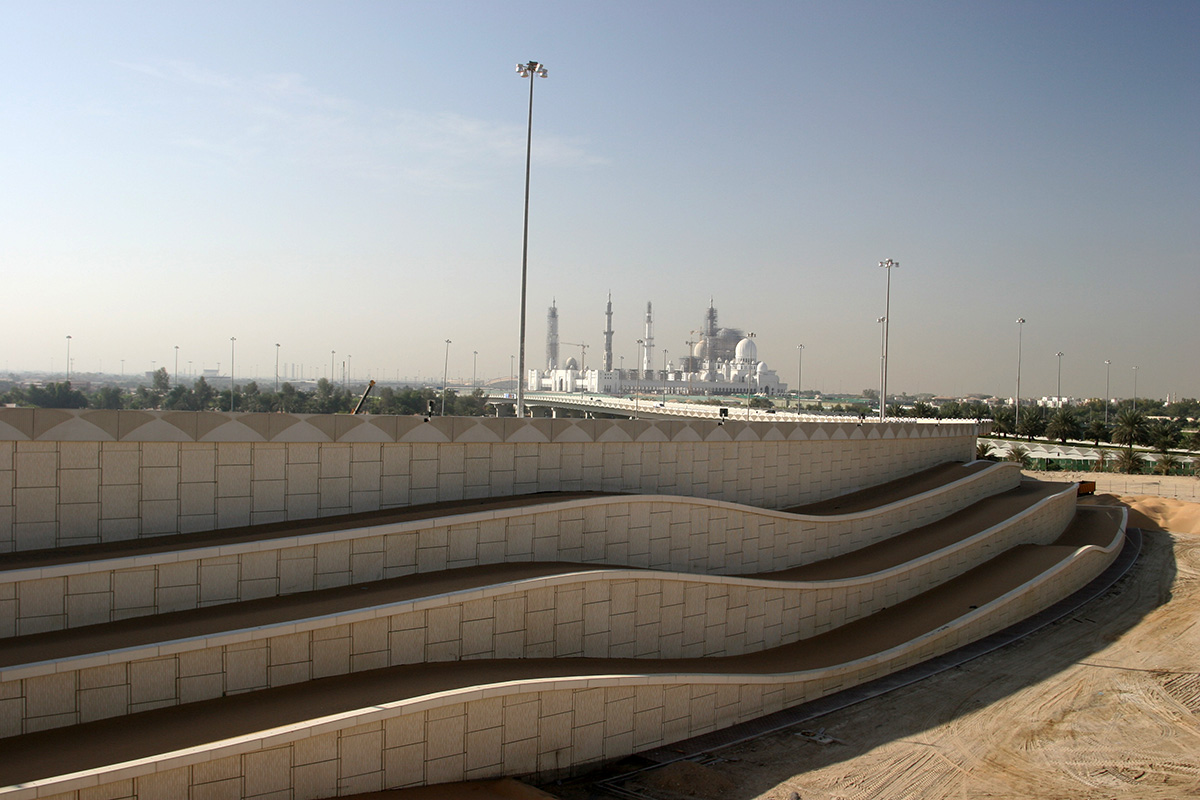
Sloping ground and changes in elevation can complicate pedestrian and vehicle access around schools, hospitals, and other facilities. Reinforced Earth walls and abutments, Reinforced Earth slopes and Precast walls provide different ways to create usable levels, access routes and landscaped transitions.
- Establishing reliable ground for development
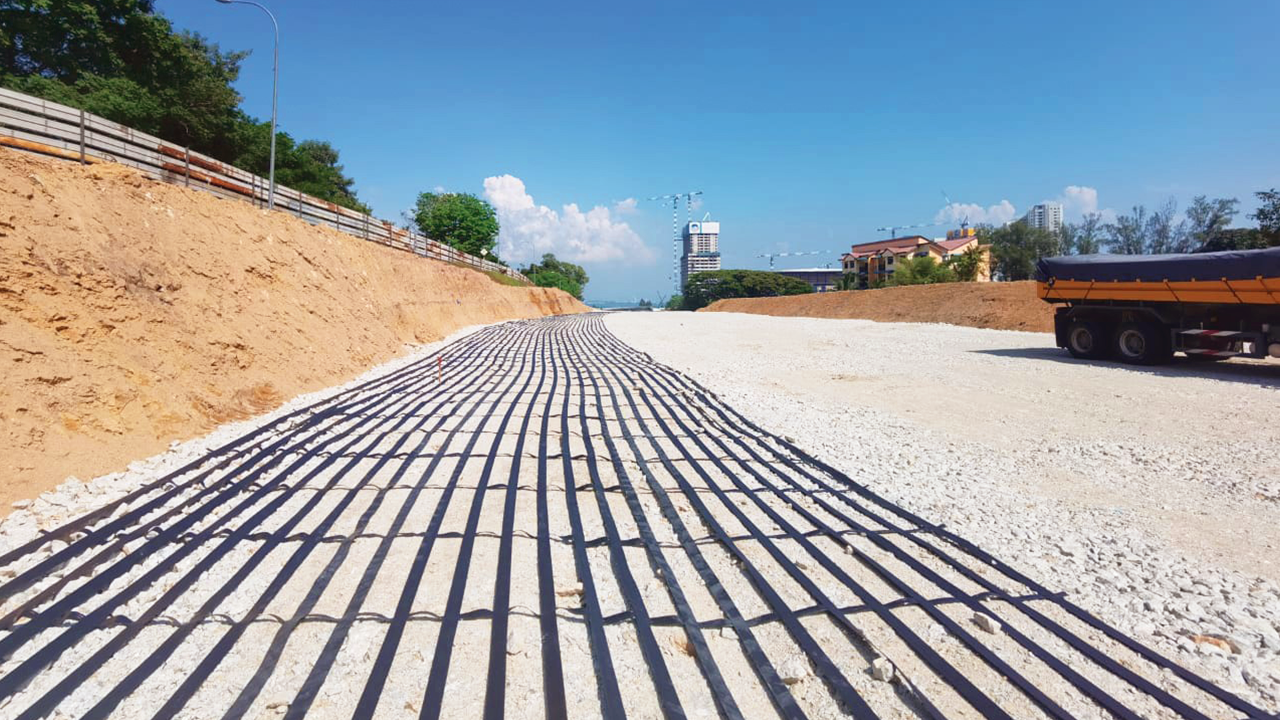
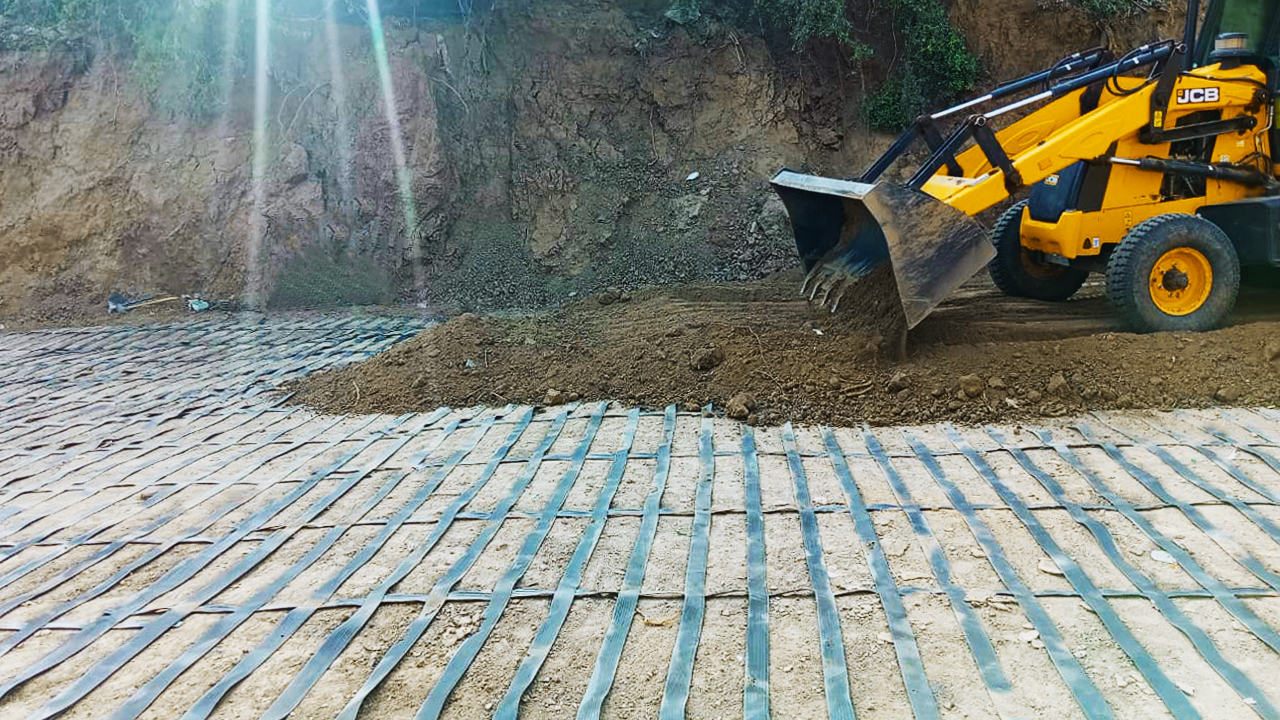
Buildings, parking areas, access roads and external facilities need suitable supporting ground. Geosynthetic reinforcement solutions can improve weak soils and reinforce earthworks where existing ground conditions would otherwise restrict development.
- Separating movements within busy sites
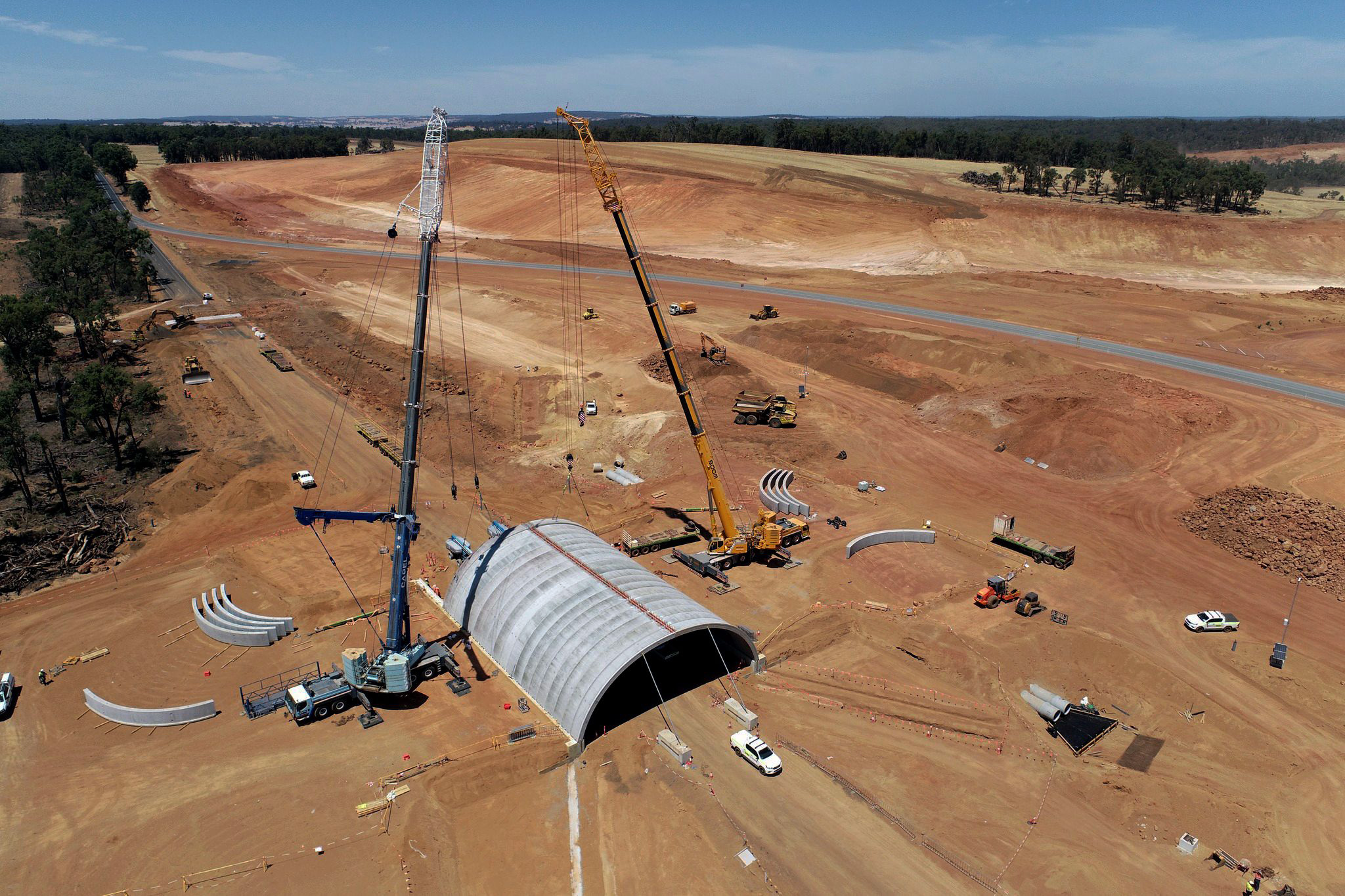
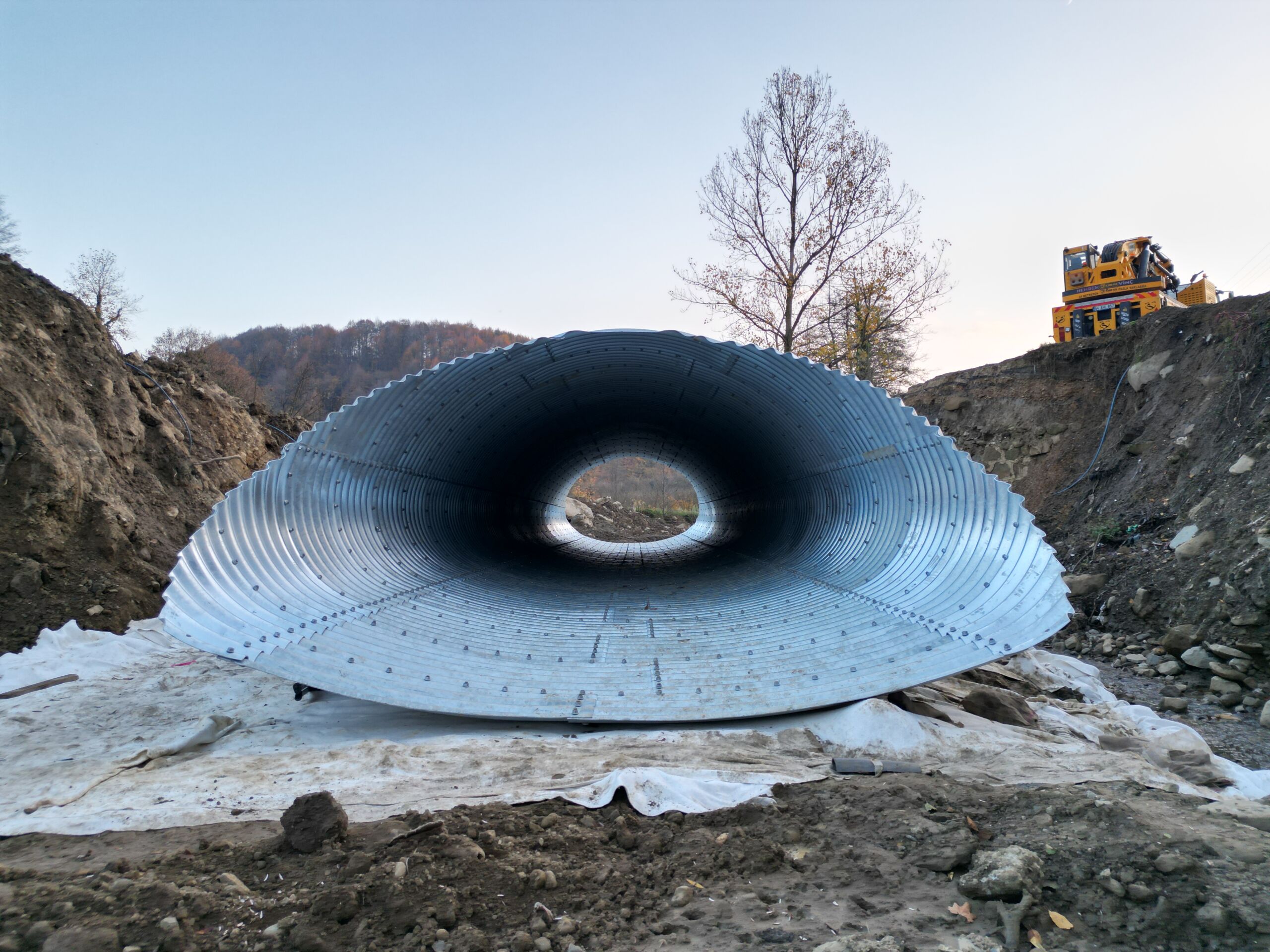
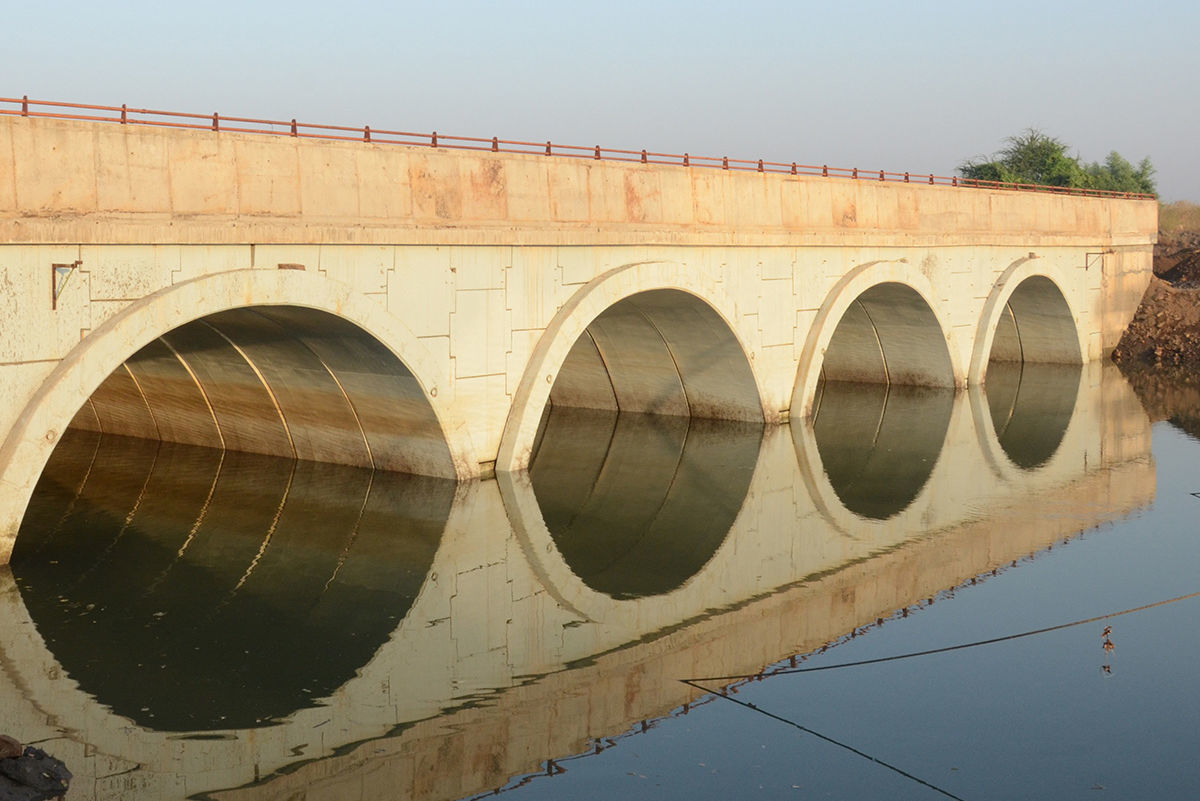
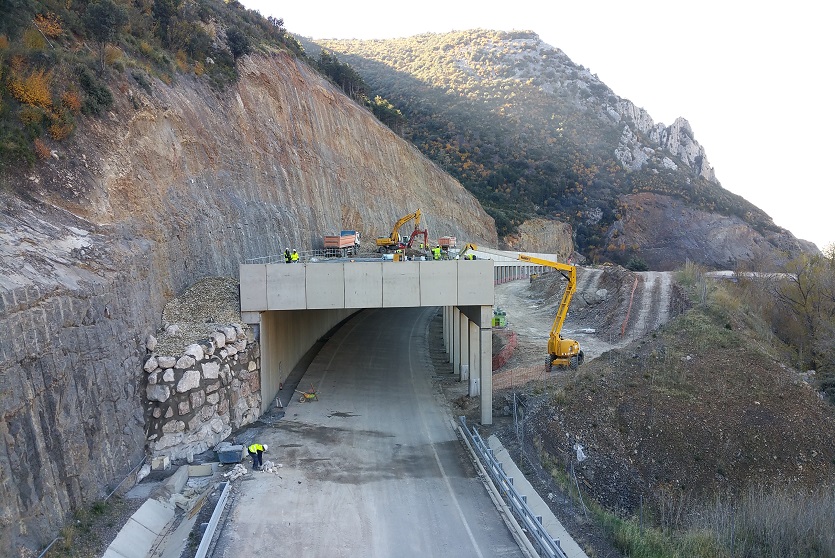
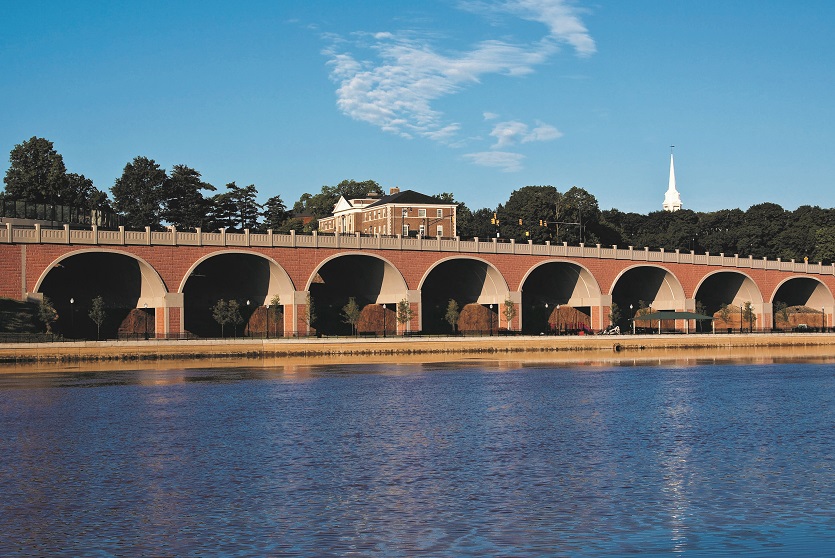
Pedestrians, vehicles, services and utilities may need to follow different routes through the same facility. Precast arches and boxes can create underpasses and buried connections that help separate these movements while maintaining continuity at surface level.
- Working within established urban areas
Expanding or adapting an existing facility can mean constructing close to buildings, utilities or property boundaries. TerraLink provides a retaining approach suited to confined configurations where the space available for new earthworks is limited.
- Providing protection where the surroundings demand it
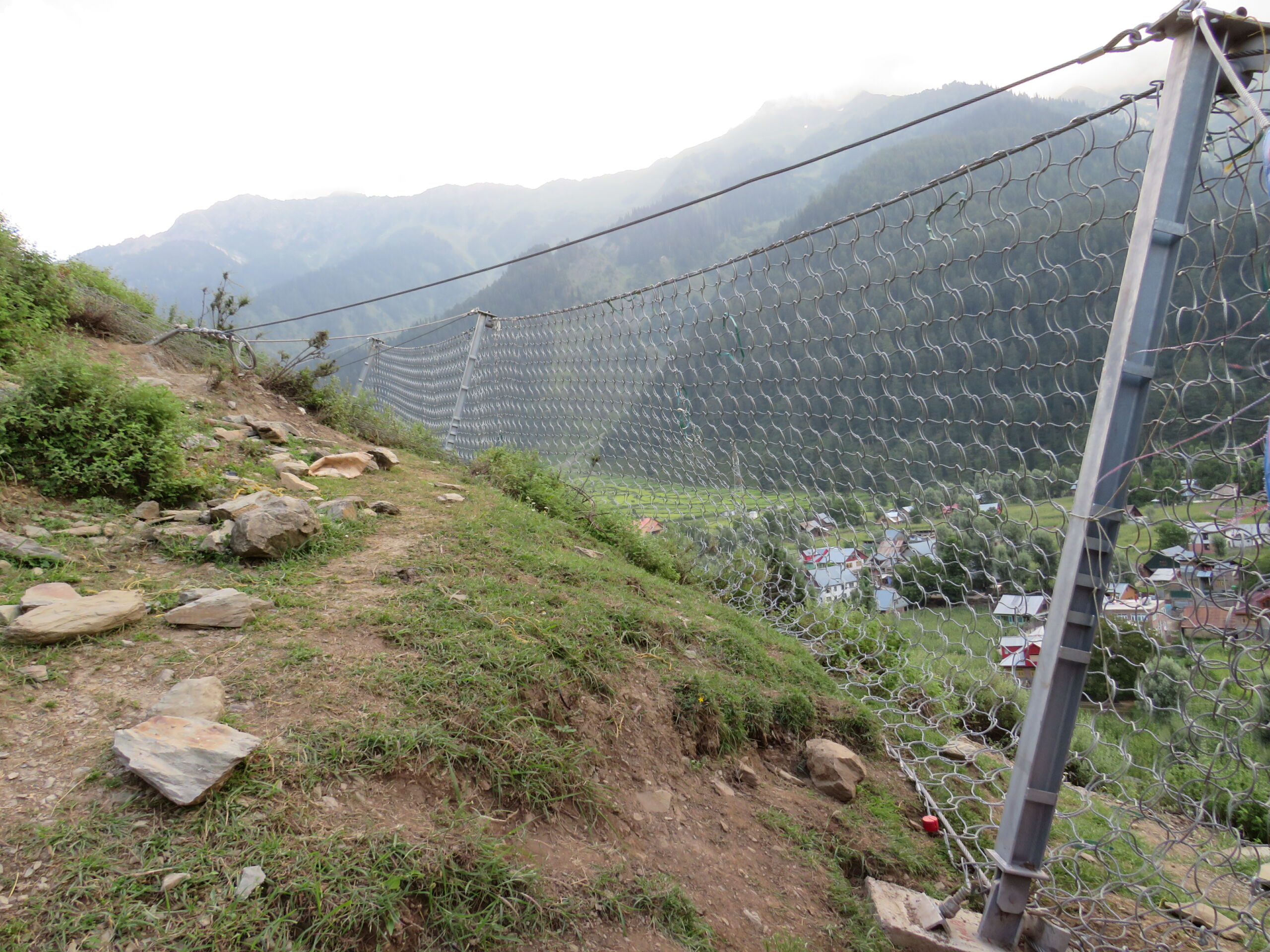
Facilities located near steep or unstable terrain may require measures to protect buildings and access routes from natural hazards. Geohazards protection solutions can address exposure to rockfall, debris flows or slope instability according to local conditions.
Applications for functional facilities

Infrastructure that works with the facility
The infrastructure surrounding a school, hospital, campus or other functional facility directly influences how people reach, move through and use the site.
Geoquest solutions provide different ways to organize terrain, establish reliable access and integrate crossings or protective measures without separating these elements from the wider development.
This approach helps make challenging sites usable while supporting the accessibility, circulation and spatial organization required for facilities that form part of everyday community life.